
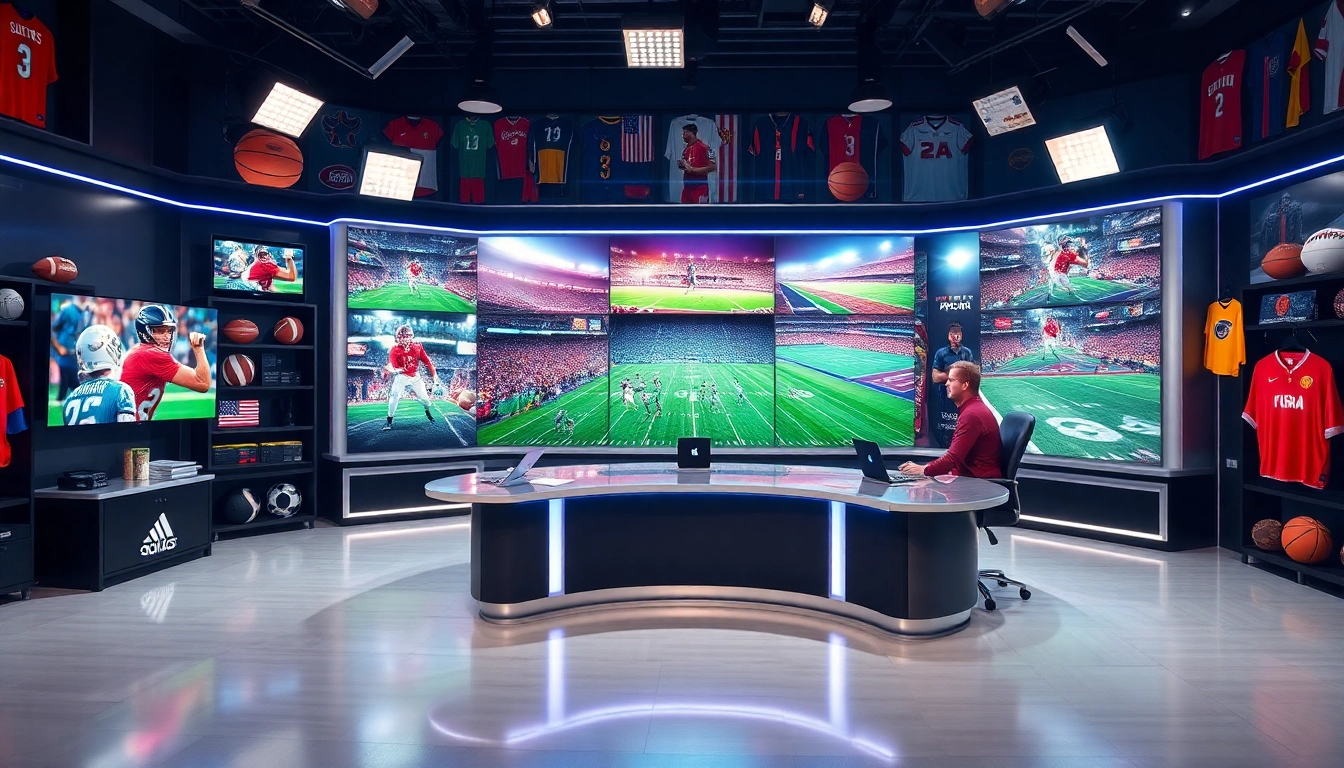
Understanding Sports Broadcasting
What is Sports Broadcasting?
Sports broadcasting is the transmission of sports events through various media platforms, including television, radio, or online streaming. It encompasses live coverage, pre-game analysis, and highlights, all designed to entertain and inform viewers. As one of the most popular forms of media, Sports Broadcasting taps into the passion and loyalty of fans, driving engagement and revenue for networks and sponsors alike.
The Evolution of Sports Broadcasting
The journey of sports broadcasting began with radio broadcasts in the early 20th century, quickly expanding to television in the 1950s. Over decades, advancements in technology transformed sports consumption. The introduction of color broadcasting, satellite television, and now digital streaming has continually reshaped how fans experience sports. Today, various platforms cater to specific demographics, creating a more personalized viewing experience.
Key Terms in Sports Broadcasting
- Play-by-Play: The actual narration of the game as it occurs.
- Color Commentary: Supplemental analysis provided by a co-commentator.
- Broadcast Rights: Legal permissions required to air a sports event.
- ESPN: One of the premier sports networks known for comprehensive coverage.
- Streaming Rights: Permissions to stream sporting events online.
Core Technologies Used in Sports Broadcasting
Broadcasting Equipment Overview
Advanced equipment is crucial for high-quality sports broadcasting. Key tools include cameras capable of capturing action in high definition, microphones for crystal-clear audio, and production switchers for seamless transitions between feeds. The integration of robotics and remote-controlled cameras has also enhanced the viewing experience, providing diverse angles and insights into the game.
The Role of Live Streaming in Sports Broadcasting
Live streaming has revolutionized sports broadcasting by offering flexibility and immediacy. Fans can watch their favorite teams in real-time, often on multiple devices. Platforms like YouTube Live and Twitch have become popular, allowing niche sports to gain visibility. Additionally, interactive features like live chats increase viewer engagement, allowing fans to connect while they watch.
Emerging Technologies Shaping Sports Broadcasting
New technologies continually shape sports broadcasting's future. Virtual reality (VR) provides immersive experiences, while augmented reality (AR) enhances live broadcasts with on-screen statistics and graphics. Artificial intelligence (AI) aids in data analysis, making it easier to predict outcomes and deliver tailored content to fans. These advancements create engaging and personalized experiences that keep viewers coming back for more.
Content Creation Strategies for Sports Broadcasting
Crafting Engaging Narratives
A compelling narrative is essential for successful sports broadcasting. Storytelling not only captivates viewers but also contextualizes the sports event. Broadcasters should focus on the histories of the teams, player rivalries, and the stakes involved in the matches, enhancing audience connection and investment in the outcome.
Utilizing Social Media for Audience Engagement
Social media is a powerful tool in sports broadcasting. Platforms like Twitter, Instagram, and Facebook allow broadcasters to engage with fans in real-time, share behind-the-scenes content, and respond to fan interactions. Developing a strong social media strategy can expand reach and create dedicated communities around sporting events.
Best Practices for Live Commentary
Effective live commentary requires several best practices. Commentators must speak clearly, be familiar with the teams and players, and balance emotional engagement with factual information. When calling the action, timing is crucial. Commentators should avoid talking over critical moments, allowing fans to absorb the atmosphere of the event.
Challenges in Sports Broadcasting
Navigating Licensing Issues
Licensing is a significant hurdle in sports broadcasting. Networks must secure the rights to air games or events, which can lead to disputes and negotiations that halt coverage. Understanding the intricacies of licensing agreements is essential for any entity involved in sports broadcasting, ensuring compliance and uninterrupted service.
Dealing with Technical Difficulties
Technical issues can disrupt broadcasts, frustrating viewers and degrading brand reputation. Broadcast teams must prepare for potential breakdowns, conducting rehearsals and maintaining backup systems. Learning to troubleshoot equipment swiftly ensures that broadcasts can proceed without significant hiccups.
Maintaining Audience Interest
With numerous entertainment options available, keeping audiences engaged is a primary challenge. Sports broadcasters must innovate constantly, offering exclusive content, engaging storytelling, and interactive experiences that resonate with viewers. A focus on fan preferences can inform content strategy and help retain viewer loyalty.
The Future of Sports Broadcasting
Trends in Viewer Behavior
Recent trends indicate shifting viewer behaviors, with younger audiences favoring on-demand content over traditional live broadcasts. This shift calls for sports broadcasters to adapt, utilizing platforms that allow for flexibility in viewing and incorporating interactive elements to enhance viewer experience.
Impact of AI and Data Analytics
The integration of AI and data analytics is transforming how sports broadcasts are produced and consumed. By analyzing vast amounts of game data, broadcasters can deliver insights and predictions in real-time, enhancing the viewing experience. Such data-driven approaches can inform everything from advertising strategies to content creation, allowing for highly tailored viewer engagement.
Predictions for the Next Decade
As technology continues to advance, the future of sports broadcasting looks promising yet challenging. Increased personalization, streamlined viewing modes, and enhanced interactivity will dominate the landscape. As organizations explore new monetization strategies, we can expect to see more collaborations between sports leagues and tech companies, fostering innovation and improving viewer experiences.
FAQs About Sports Broadcasting
What platforms are popular in sports broadcasting?
Popular platforms include traditional television networks, online streaming services, and social media channels that allow fans to watch live sports and related content.
How can I improve my sports broadcasting skills?
Improving sports broadcasting skills involves practice, watching experienced commentators, understanding the sport, and continuously refining your style based on audience feedback.
Why is licensing important in sports broadcasting?
Licensing is crucial as it secures the legal rights to broadcast events. Without it, broadcasts may face legal challenges, leading to financial penalties and loss of credibility.
What role does social media play in sports broadcasting?
Social media enhances audience engagement, provides behind-the-scenes content and real-time updates, and fosters communities around teams and sports events, enhancing overall fan experience.
What are the key challenges in sports broadcasting today?
Key challenges include navigating licensing and legal issues, managing technical difficulties, and maintaining audience interest amidst increasing competition from various entertainment options.