
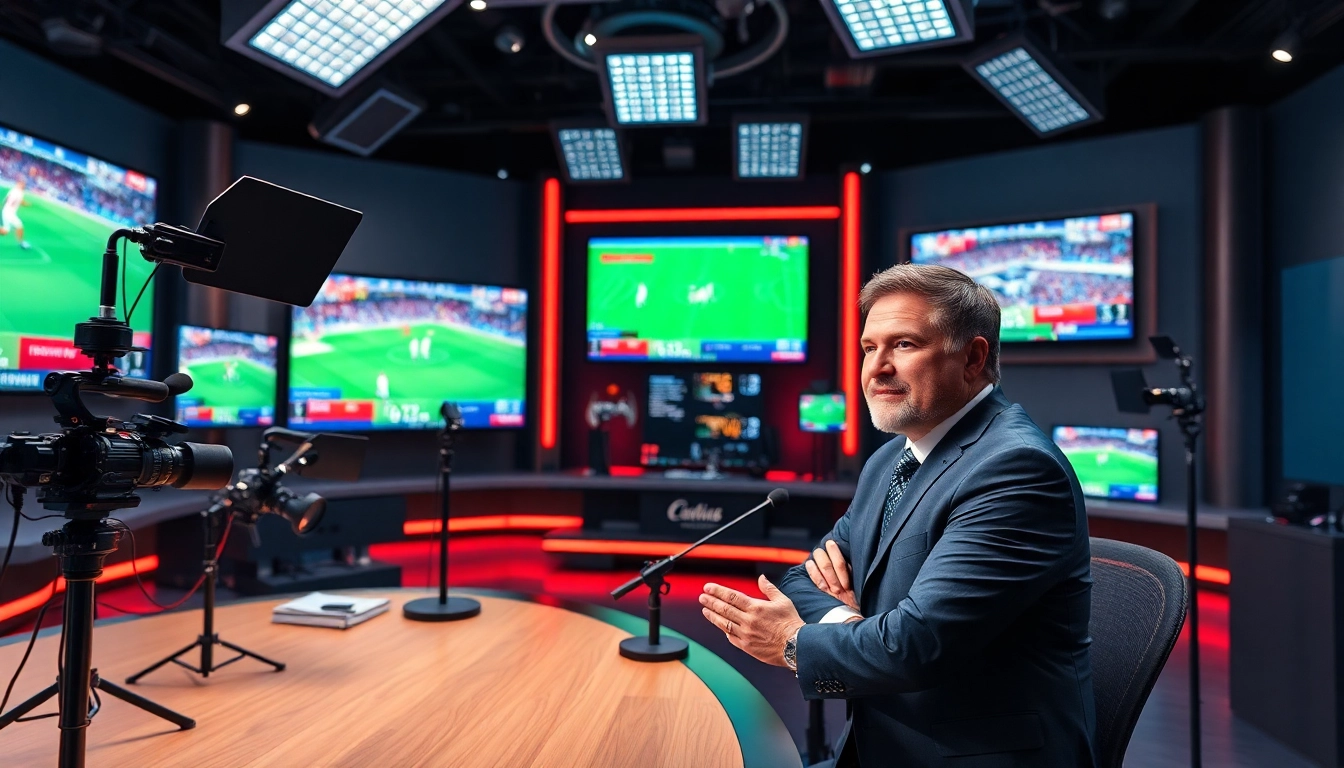
Introduction to Sports Broadcasting
Sports broadcasting is an integral part of modern media, delivering live sports events, commentary, and analysis to an audience that craves real-time entertainment and information. It encompasses various formats, ranging from television and radio broadcasts to digital streaming platforms. As the demand for engaging sports content continues to rise, understanding the nuances of sports broadcasting becomes crucial for both aspiring professionals and avid fans. Whether it’s during a critical game moment or a halftime analysis, effective sports broadcasting enhances viewer experience, making it more than just the act of showing the game. In this article, we’ll explore the fundamentals, technologies, challenges, and future trends of Sports Broadcasting.
Understanding the Basics of Sports Broadcasting
At its core, sports broadcasting involves the distribution of sports events and related content to an audience. It includes not just the act of showing a game but also providing context, analysis, and entertainment. Broadcasters may operate through traditional television networks, radio stations, or modern streaming services, each with its unique advantages and challenges. Understanding how these platforms work is essential for anyone wanting to enter the field.
Importance of Sports Broadcasting in Modern Media
Sports broadcasting has transformed into a multi-billion dollar industry that plays a significant role in shaping public interest in sports. Its importance lies in its ability to connect fans to their favorite teams and athletes. By delivering real-time coverage, highlights, and in-depth analysis, it keeps audiences engaged and informed. The relationship between sports and media has evolved, making it a key driver of sports marketing and sponsorships, providing significant revenues for leagues and broadcasters alike.
Key Terms and Concepts in Sports Broadcasting
Familiarity with specific terminology is critical in sports broadcasting. Some essential terms include:
- Play-by-Play: The detailed commentary that describes every play in real time.
- Color Commentary: Analysis and insights provided alongside the play-by-play commentary, often delivered by former athletes or coaches.
- Live Streaming: Broadcasting events over the internet in real-time.
- Engagement Metrics: Data points used to measure viewer interaction and satisfaction, including viewership numbers, social media interaction, and audience retention rates.
Technology in Sports Broadcasting
Latest Innovations Shaping Sports Broadcasting
Technology continuously shapes how sports are broadcasted. From high-definition broadcasts to virtual reality experiences, each advancement enriches viewer engagement. Innovations such as augmented reality graphics enhance storytelling, allowing audiences to visualize plays and statistics directly on-screen. The rise of 4K and 8K streaming has provided clarity and detail, making viewers feel as though they are part of the action.
Production Equipment: What You Need to Know
The backbone of any successful sports broadcast is the equipment used. Essential gear includes:
- Cameras: Multi-angle cameras provide coverage of the action from various perspectives, crucial for replay analysis.
- Microphones: High-fidelity microphones capture clear audio from sportscasters and on-field action. Wireless mics allow commentators the freedom to move.
- Switching Equipment: These tools allow producers to select and cut between different video feeds in real-time.
- Graphics Systems: Used to create real-time statistics, scores, and visual effects that add depth to storytelling.
Streaming vs Traditional Broadcasting: Pros and Cons
As audiences shift toward on-demand content, it’s essential to understand the differences between traditional and streaming broadcasting. Traditional broadcasting offers broad reach and established viewer bases, but is often limited by scheduling and regional restrictions. On the other hand, streaming platforms provide flexibility, allowing viewers to watch content at their convenience. However, they might struggle with content discovery and maintaining compelling engagement without traditional sports networks’ influence.
The Role of Commentators and Analysts
Skills Needed for Success in Sports Broadcasting
Successful sports commentators and analysts require a mixture of technical skills and personal qualities. Key skills include:
- In-depth Sports Knowledge: A robust understanding of the sport’s rules, strategies, and history is fundamental.
- Communication Skills: The ability to convey complex ideas clearly and engagingly.
- Presence and Personality: Charismatic commentators can enhance the viewing experience, drawing viewers in and keeping them engaged.
- Analytical Thinking: The capability to analyze plays, predict outcomes, and provide insightful commentary that enhances understanding.
How Commentators Enhance Viewer Experience
Commentators serve as the bridge between the game and the audience. Their insights and analysis not only inform but also entertain, making the viewing experience much richer. For instance, during tense moments, commentators can amplify excitement by capturing the emotional weight of the event. Additionally, effective commentators highlight statistics and contextual narratives that deepen audience engagement.
Preparing for Live Commentary: Best Practices
Preparation is key to effective live commentary. Successful commentators should:
- Research: Thoroughly prepare by studying team line-ups, player statistics, and historical context.
- Practice: Rehearse delivering commentary to become comfortable with the flow of the broadcast.
- Collaborate: Work closely with analysts and production teams to ensure all elements are in sync and messages align.
Challenges in Sports Broadcasting
Common Pitfalls in Sports Production
While sports broadcasting can be incredibly rewarding, it comes with its share of challenges. Common pitfalls include:
- Technical Failures: Equipment malfunctions can lead to on-air chaos, making robust backup systems essential.
- Time Management: Live broadcasts require precise timing to avoid delays, necessitating careful planning and rehearsal.
- Viewer Engagement: Striking the right balance between technical details and entertaining content can be challenging, though critical for audience retention.
Adapting to Changes in Viewer Preferences
As the viewing landscape evolves, so do audience expectations. Younger viewers often prefer bite-sized content accessible on mobile devices. Broadcasters must adapt by providing highlights and analyses that cater to shorter attention spans while still offering in-depth coverage for more engaged fans. Understanding demographic shifts and tailoring content accordingly is vital for ongoing success.
Managing Live Events and Technical Difficulties
Live events are unpredictable, and having a response plan for potential technical issues is imperative. Practicing emergency protocols with the team and maintaining open lines of communication can help manage crises effectively. Additionally, using backup equipment can mitigate the risk of failure during crucial moments, maintaining a professional broadcast appearance even amidst challenges.
Future of Sports Broadcasting
Trends and Innovations to Watch
The future of sports broadcasting is exciting, marked by significant trends such as the integration of artificial intelligence and enhanced data analytics. AI can personalize viewing experiences, suggesting content based on viewer preferences, while advanced analytics can provide richer insights during broadcasts. Technologies such as 5G will facilitate smoother streaming and allow for real-time interactions with fans.
Impact of Social Media on Sports Broadcasting
Social media has drastically changed audience interaction in sports broadcasting. Platforms like Twitter and Facebook enable fans to engage in real-time discussions during games, sharing opinions and highlights instantly. Broadcasters can leverage this interaction by integrating social media content into broadcasts, improving viewer connection. Furthermore, platforms allow athletes and teams to build personal brands and communicate directly with their audience, enhancing loyalty and viewership.
Preparing for the Future: Skills and Strategies
To thrive in the future of sports broadcasting, professionals must be adaptable and continually learning. Critical skills will include technological proficiency, understanding data analytics, and embracing new content formats. Building a personal brand through social media and multidisciplinary collaboration will also be essential, as diverse skills will set individuals apart in a competitive landscape.
FAQs
What are the key skills required for sports broadcasting?
A successful sports broadcaster should have strong communication skills, thorough knowledge of sports, and the ability to think quickly under pressure.
How has technology changed sports broadcasting?
Technology has revolutionized sports broadcasting, introducing advanced graphics, real-time data analysis, and streaming services that enhance viewer engagement.
What are common challenges faced in sports broadcasting?
Challenges include managing live broadcasts, ensuring technical reliability, and adapting content to meet audience expectations and trends.
What is the role of commentators in sports broadcasting?
Commentators provide live analysis, context, and engagement, helping viewers understand the game’s nuances while enhancing the overall experience.
How does social media influence sports broadcasting?
Social media allows broadcasters to engage with fans in real-time, share highlights, and enhance viewer experiences through interactive content and discussions.